Lines Border Quilting Review
As an embroidery designer with years of experience, I’ve had the chance to test the Lines Border Quilting design for a personalized gift shop. This machine embroidery design offers a unique blend of simplicity and elegance that can elevate a wide range of handmade products. Whether you're crafting baby items, wedding keepsakes, or custom totes, this design has potential—but it also comes with some important considerations.
The First Impression: A Design That Speaks Quietly
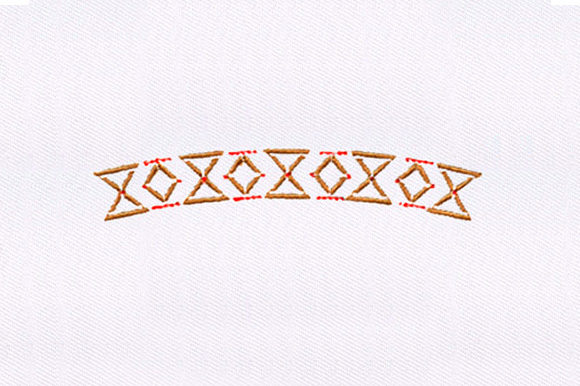
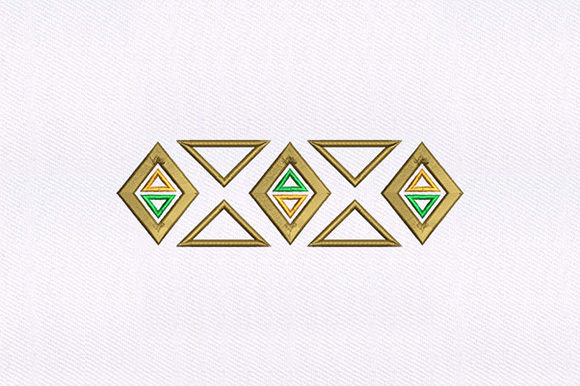
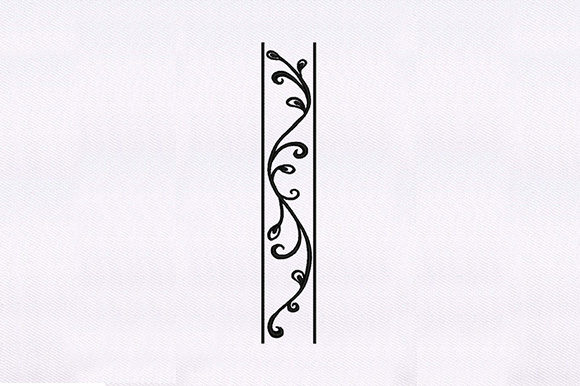
Lines Border Quilting immediately catches the eye with its clean, minimalist lines. It doesn’t scream for attention but instead exudes a calm, classic charm. The design feels handmade, which is perfect for customers looking for something authentic and meaningful. Its detail level is just right—enough to add visual interest without overwhelming the fabric. This makes it ideal for emotional gifts like a baby blanket or a wedding keepsake, where the design should complement the sentiment rather than distract from it.
The mood of the design is sweet and elegant. It’s not playful or overly romantic, but it does have a timeless quality that works well in both modern and traditional settings. For a personalized gift, this is a strong asset—it allows the customer to project their own meaning onto the design without the embroidery overshadowing the message.
Where Lines Border Quilting Shines
This embroidery file is versatile enough to work on a variety of products. For baby embroidery, it adds a subtle sophistication to onesies, blankets, or burp cloths. As a wedding gift, it could be used on pillow covers, table runners, or even aprons for the couple. The design also fits well with nursery decor, where a soft, linear border can add character without being too busy.
For small business owners and Etsy sellers, Lines Border Quilting is a great option for custom embroidery projects. It can be used on embroidered towels, tote bags, and pillow covers, all of which are popular among crafters and handmade product buyers. The design’s simplicity also makes it suitable for digital product listings, where a clean, professional look is essential.
When used on a custom tote bag or a personalized apron, the design adds a touch of refinement that elevates the overall product. It’s especially effective when paired with soft thread colors, as it creates a cohesive, polished finish that appeals to a wide audience.
Where to Use With Caution
While Lines Border Quilting is generally easy to work with, there are certain situations where it may not perform as well. For example, if you’re adding small lettering or intricate details next to the border, the design might not hold up under tight stitching. Similarly, delicate details may get lost on textured fabrics or thick towels, where the embroidery could appear less defined.
Stretchy baby clothes or curved surfaces can also be problematic. The design may pucker or distort if not stabilized properly. On dark fabrics, the contrast between the thread and the background can be an issue—especially if the thread color isn’t chosen carefully. And for products that will be washed frequently, such as embroidered towels or pillow covers, it’s important to ensure the design is durable and won’t fade or wear quickly.
How It Enhances Giftability and Customer Trust
Personalized gifts are all about emotional connection, and Lines Border Quilting helps create that bond. The design’s subtle beauty makes it feel more like a handmade product than a mass-produced item. This is especially important for small shop products, where the perceived value of a custom embroidery project is key to customer satisfaction.
When used on a finished product, the design enhances the overall aesthetic, making it more appealing for product photography. A clean, well-executed border can make a custom item stand out in an Etsy listing or at a craft fair. It also encourages buyer engagement, as customers are more likely to connect with a design that feels thoughtful and intentional.
From a commercial embroidery perspective, the design’s versatility means it can be adapted to a wide range of products. However, it’s important to confirm the commercial licensing terms before selling any finished items. Always review the embroidery file formats provided, including 10O, ART, CND, DSB, DST, DSZ, EXP, HUS, JEF, PCS, PEC, PES, TAP, VIP, VP3, and XXX, to ensure compatibility with your machine and software.
Practical Tips for Using Lines Border Quilting
To get the best results with this machine embroidery design, start by testing it on scrap fabric. This will help you see how the stitch density and thread colors interact with different materials. If you’re working with light or dark fabrics, compare mockups to ensure the design looks good in both conditions.
Check the hoop size required for the design. Some borders may need a larger hoop to fit properly, so make sure your machine can accommodate that. Use the right stabilizer for the fabric type—especially if you’re working with stretchy or delicate materials.
Finally, always double-check the small details after stitching. A slight misalignment or missed stitch can affect the final look of the personalized gift. And if you’re planning to sell finished products, confirm the commercial licensing terms to avoid any legal issues down the line.